
Consider Taking Shortcuts?
There are many things that can affect whether or not you decide to take a shortcut. Nevertheless, taking short routes is a decision made by a person. ...
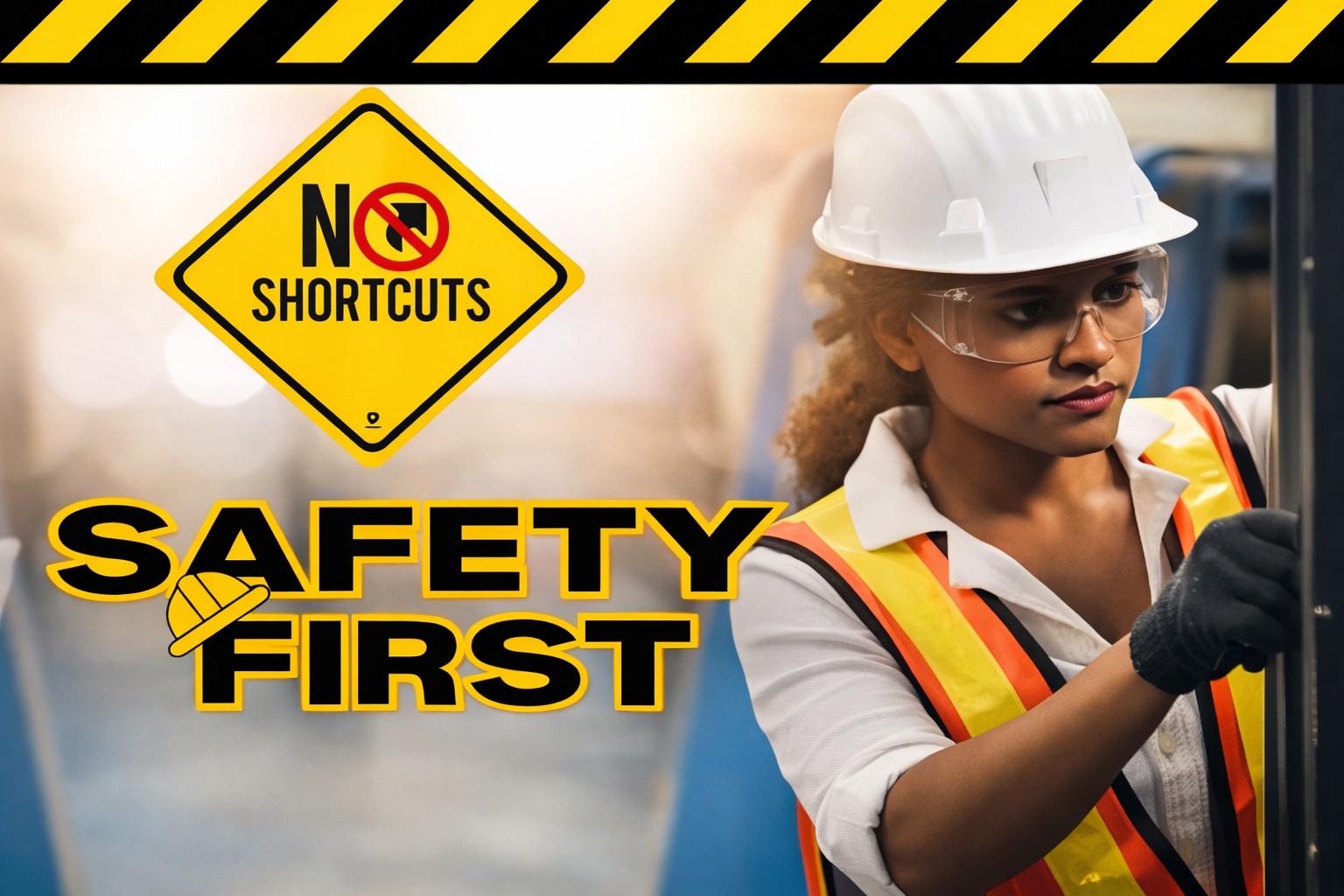
There are many things that can affect whether or not you decide to take a shortcut. Nevertheless, taking short routes is a decision made by a person. Realizing this and taking precautions to prevent doing so are crucial, especially when it comes to workplace safety.
Common Safety Shortcuts
Shortcuts can take many different forms when it comes to safety. Here are a few typical shortcuts to safety in numerous workplaces:
Not taking all essential Safety Precautions
Nearly all labor tasks include a number of safety measures that must be put in place before work begins. Every safety measure you put in place is another technique to prevent harm to you and other people.
Not using the required PPE
PPE is a worker’s final line of defense. Who knows when you might need it?
Rushing Tasks or Skipping Crucial Breaks when performing Job Functions
Rushing through a task at work might cause many things to be missed. This may result in unfortunate events.
Ways To Avoid Taking Shortcuts
Be more demanding of yourself. Avoid taking the simple route. Spend the necessary time and effort to do jobs properly. Make it a habit to adhere to safety regulations and instructions.
Set the standard that taking shortcuts is unacceptable in terms of safety. Coworkers are more likely to take shortcuts themselves if they observe you doing so.
Understand that shortcuts don’t simply affect you. They may result in injuries, property damage, and negative effects on the organization.
If you are under time pressure, consider whether you are putting a strain on yourself. When there is no true external pressure to finish a work activity, people frequently put pressure on themselves to accomplish it more quickly.
Plan your job tasks out well in advance to ensure that you have access to the essential personnel, tools, training, safety gear, time, etc. It can be easier to resist the temptation to cut corners when you have all you need for your job.
Think about this...
In the end, choosing to take shortcuts is just a personal decision. Although there are various circumstances that may influence a person’s decision, it is still a choice that is made in the end. Although it can be challenging to never compromise on safety, there are various strategies that can be used to overcome the impulse to do so.
What are some more elements that could influence a worker to take a shortcut? Let’s discuss
Statutory Guidance & Professional Applicability Note:
This publication provides high-level professional commentary and statutory analysis for UK health, safety, and environmental dutyholders. Regulatory requirements must be evaluated against site-specific conditions and operational hazard profiles. Consult a Kevron Chartered safety adviser for bespoke compliance auditing.
Speak to a CDM 2015 Adviser
Statutory CDM 2015 advisory, Construction Phase Plan preparation, RAMS review, and site compliance audits.
Related Professional Insights
Further guidance and toolkits in .
Global Ergonomics & Human Factors Engineering in Offshore Wind
A global technical webinar covering ergonomic design, human reliability assessment, and workforce fatigue mitigation in deepwater wind farm construction and maintenance.
Navigating the Building Safety Act 2022 & CDM 2015 in Fit-Out Projects
A practical, masterclass webinar examining key dutyholder obligations, competence requirements, and the digital golden thread under the UK Building Safety Act 2022 and CDM Regulations 2015.
CDM 2015 Principal Contractor Duties: Avoiding Common Compliance Pitfalls
A practical legal analysis of requirements under HSE L153, focusing on Construction Phase Plan (CPP) preparation and RAMS vetting protocols for UK commercial developments.