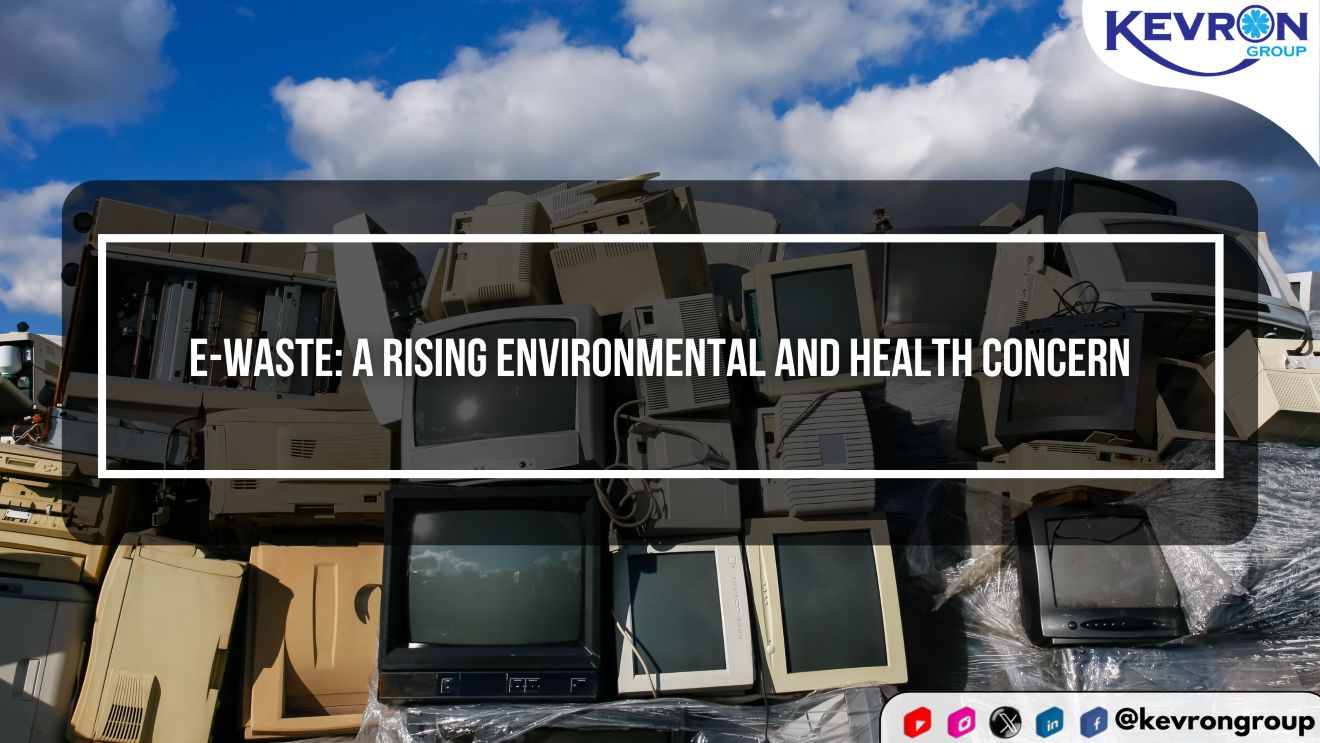
E-WASTE: A RISING ENVIRONMENTAL AND HEALTH CONCERN
With rapid advancements in technology and increasing demand for electronic devices, electronic waste has become one of the fastest-growing global environmental challenges.
What is E-Waste?
Electronic waste (e-waste) refers to electrical and electronic devices that are no longer in use, have reached the end of their useful life, become obsolete, damaged, or are no longer needed.
E-waste includes discarded
Mobile phones
Computers and laptops
Televisions
Printers
Batteries
Household electronic appliances
What's Inside E-Waste?
Valuable Materials
Gold
Silver
Copper
Rare earth metals
Hazardous Materials
Lead
Mercury
Cadmium
Brominated flame retardants
Impacts of Inproper Management of E-waste
Soil contamination
Water pollution
Air pollution from open burning
Release of toxic chemicals
Human Health Risks
Respiratory illnesses
Neurological disorders
Kidney damage
Developmental issues in children
Sustainable E-Waste Management Solutions
Extended Producer Responsibility (EPR)
Manufacturers take responsibility for end-of-life products.
Formal Recycling Systems
Safe collection and processing of e-waste.
Circular Electronics
Design products that are durable, repairable, and recyclable.
Consumer Action
Repair before replacing
Donate usable devices
Recycle responsibly
“Together, let’s commit to responsibly disposing of batteries, electronics, and other e-waste to safeguard our planet”.